

History of the Library
The Story of the Eleanor London Côte Saint-Luc Public Library
The story of the Côte Saint-Luc Public Library began in December 1964, when the Mayor and Council of the City of Côte Saint-Luc established a Citizens' Committee to study the feasibility of creating a public library for the growing community. The goal was not simply to open a library, but to create an outstanding institution that would serve as a cultural, educational, and community centre for residents. The committee's vision was ambitious: to build a library that would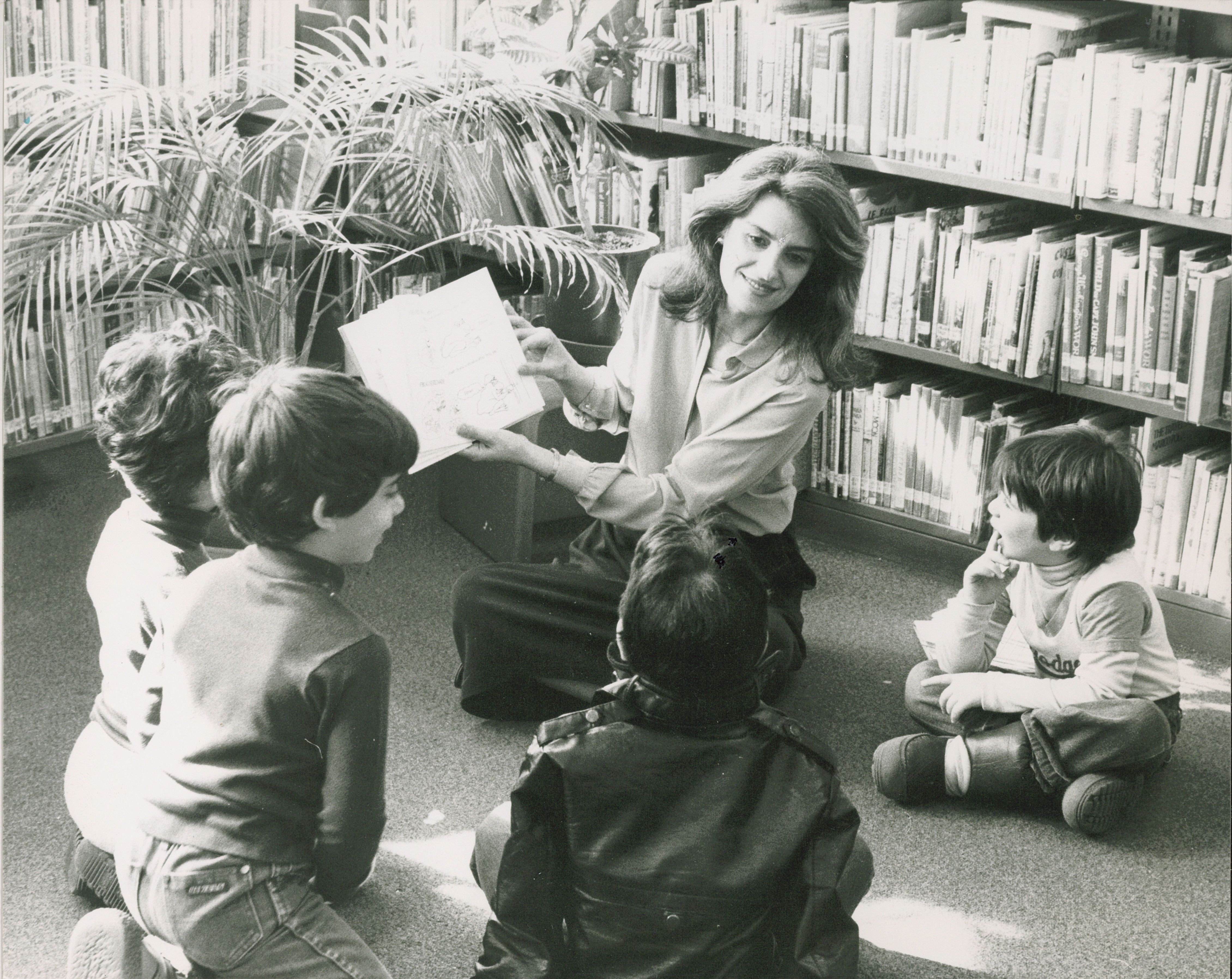 provide the highest possible return on the public's investment and become an integral part of community life.
Following the committee's recommendations, the City hired a young librarian, Eleanor London, in 1965 and entrusted her with bringing this vision to life. Armed with a $17,000 book budget, a staff of six, approximately 3,000 books, and an unwavering belief in the transformative power of public libraries, London set out to create something unlike anything Montreal had seen before.
On September 7, 1966, the Côte Saint-Luc Public Library opened its doors in temporary quarters on the second floor of the Côte Saint-Luc Shopping Centre at 7101 Côte Saint-Luc Road. The space measured just 4,322 square feet, but from the beginning the library was guided by a philosophy that was revolutionary for its time. Eleanor London envisioned a "people's library"—a welcoming place where visitors could talk freely rather than whisper, sit comfortably wherever they wished, and feel valued and respected. Long before the concept became fashionable, she sought to create what would later be called a "third place," a gathering space that felt like an extension of home.
The library quickly became known for its exceptional service and innovative programming. By 1969, it offered the longest opening hours of any public library in Canada, welcoming visitors from 10 a.m. to 10 p.m. every day of the year. It remained open through holidays, power outages, and even major weather emergencies. The library's emphasis on accessibility, friendliness, and community engagement distinguished it from more traditional institutions and earned it a loyal following.
Success came quickly. By 1970, the collection had expanded so rapidly that books lined windowsills and every available surface. The library gradually absorbed neighbouring office spaces within the shopping centre, eventually growing to approximately 8,000 square feet. Yet even this expansion could not keep pace with demand. Staff members worked in increasingly cramped conditions, maneuvering around towering stacks of materials and overflowing collections. Despite these challenges, the library continued to thrive.
Throughout the 1970s and early 1980s, the library became one of the most innovative public libraries in Canada. It offered storytelling in parks, teen film series, puppet-making workshops, folk concerts, autobiographical writing classes, and a pioneering Shut-In Service for residents unable to visit in person. It developed the largest international telephone directory collection in Montreal and became known for its outstanding reference services, where no question was considered too difficult to answer.
The library's reputation spread far beyond Côte Saint-Luc. Visitors were drawn not only by its extensive collections but by its atmosphere. The library focused on people first, ensuring that every visitor felt welcome and supported. Its staff became known for their willingness to go above and beyond, whether helping someone locate a book, answer a complex research question, or simply discover a new favourite author.
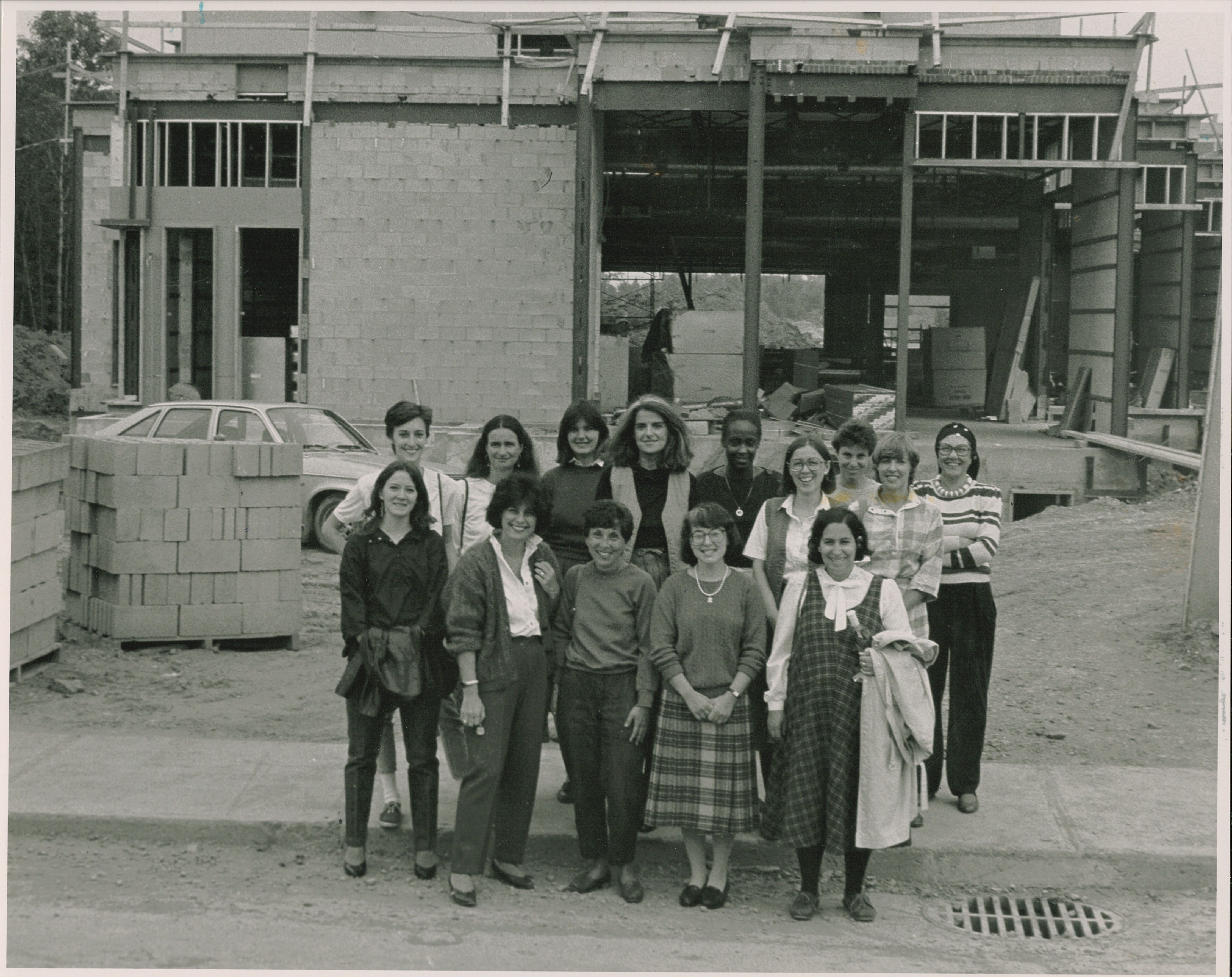 By the early 1980s, it had become clear that the library had outgrown its temporary home. Eleanor London prepared an extensive report outlining her vision for a permanent facility that would accommodate future growth while preserving the warm, community-oriented atmosphere that had become the library's hallmark. After years of planning, construction began in 1985 on a new Library and City Hall complex on Cavendish Boulevard.
On July 11, 1986, the new Côte Saint-Luc Public Library officially opened its doors. Several months later, residents gathered in large numbers to celebrate the grand opening. At 23,000 square feet, the new building was nearly three times larger than the library's previous location and offered an impressive range of new facilities.
The new library featured dedicated spaces for adults and children, comfortable reading lounges, study areas, an auditorium, and an extensive audiovisual department. Cozy corners and inviting seating areas encouraged visitors to linger and enjoy the space. A fireplace lounge, art gallery, natural history museum, and beautifully landscaped gardens added to the library's appeal. During the warmer months, the outdoor gardens became a popular venue for concerts and cultural events.
The move also marked the beginning of a new era of technological innovation. The library introduced videos, audiocassettes, compact discs, and individual movie-viewing stations. It became the first public library in Montreal to offer public access computers, including Apple IIe and IBM-compatible machines. These services reflected the library's ongoing commitment to embracing new technologies while maintaining its focus on community service.
Throughout the late 1980s and 1990s, the library continued to evolve. In 1987, the audiovisual department was named in honour of former city councillor William E. Kesler. Two years later, the Natural History Museum was dedicated to Nat Levine, whose remarkable collection of shells and butterflies became a treasured feature of the library.
As technology transformed society, the library remained at the forefront of change. Computer services expanded significantly, and by the mid-1990s the library was among the first in Montreal to provide public Internet access. It also launched one of the island's earliest library websites, reinforcing its reputation as a forward-thinking institution.
The library's importance to the community became especially evident during the devastating Ice Storm of January 1998. While much of the region was shut down, the library remained open thanks to a backup generator and its designation as an essential service. For many residents, it became a refuge, offering warmth, information, and support during a difficult period.
In recognition of her extraordinary contributions, the library was officially renamed the Eleanor London Côte Saint-Luc Public Library in 2001. The new name honoured the woman whose vision, leadership, and dedication had transformed a modest shopping-centre library into one of North America's most respected public libraries.
The early 2000s brought significant challenges and change. Following the municipal mergers of 2002, Côte Saint-Luc became part of the borough of Côte-Saint-Luc–Hampstead–Montréal-Ouest. Library membership was opened to all Montreal residents, leading to an influx of approximately 15,000 new members over the next several years. During this period, Eleanor London retired after 36 years of service, and Lisa Milner assumed leadership as Division Chief of Culture, Libraries and Social Development.
The library continued modernizing its services. In 2003, it completed the automation of its catalogue, replacing the traditional card catalogue with an online system. New formats, including DVDs, audiobooks on CD, and graphic novels, were added to the collection. Online renewals, telephone renewals, and digital databases further enhanced accessibility.
When Côte Saint-Luc regained its municipal independence on January 1, 2006, the library entered another period of renewal. Residents once again became the primary users of the library, and major renovations were launched. These improvements included a café, a study room, a centralized audiovisual department, a consolidated circulation desk, new carpeting, and upgraded furnishings. At the same time, Tanya Abramovitch was appointed Director of Library Services and led a revitalization focused on collection development, staff expertise, volunteerism, and innovative programming.
Under Abramovitch's leadership, the library renewed its commitment to excellence and community engagement. Programming expanded, partnerships strengthened, and the library's profile within the community grew. In 2011, Abramovitch became City Manager, one of the few librarians in North America to move into such a senior municipal leadership role.
Following Tanya Abramovitch's appointment as City Manager in 2011, Janine West assumed leadership of the Eleanor London Côte Saint-Luc Public Library. Having joined the library as a reference librarian in 1982, West brought with her decades of experience and a deep understanding of the library's history, values, and community role. Her appointment marked the beginning of a new chapter in the library's evolution—one focused on balancing the library's proud traditions with the opportunities and challenges of an increasingly digital world.
Under West's direction, the library strengthened its position as both an information centre and a vibrant community hub. As technology continued to transform the way people access information, the library expanded its digital collections and online services while helping residents develop the skills needed to navigate new technologies. Staff increasingly assisted patrons with e-books, mobile devices, online resources, and digital literacy, reflecting the changing nature of library service in the twenty-first century.
The library also broadened its role as a gathering place where people could connect, learn, and create. Programs for children, teens, adults, and seniors continued to flourish, while new initiatives encouraged lifelong learning, cultural enrichment, and community engagement. Partnerships with schools, daycares, seniors' residences, community organizations, and local institutions ensured that library services reached residents wherever they lived and learned.
In 2016, the library celebrated its fiftieth anniversary, marking half a century of service to the people of Côte Saint-Luc. The milestone provided an opportunity to reflect on the vision of Eleanor London and the remarkable growth of the institution she founded. From a modest collection housed above a shopping centre, the library had evolved into one of Quebec's most respected public libraries while remaining faithful to its founding principle of putting people first.
The decade from 2016 to 2026 marked one of the most dynamic periods in the library's history. Building on its longstanding reputation for excellence, the Eleanor London Côte Saint-Luc Public Library increasingly redefined its role within the community, reflecting broader changes in public librarianship and the institution's own evolving philosophy. Greater emphasis was placed on community engagement, shared experiences, and creative discovery. The library increasingly viewed itself not simply as a repository of knowledge that provided books, information, and programs, but as a platform for community development.
This vision was symbolized by the installation of the sculpture Partners/Reliance, donated by Dr. Harry Rosen and placed in the Ashkelon Gardens. Its accompanying inscription—"When communities build libraries, libraries build community"—captured the spirit of the institution's evolving mission.
The onset of the COVID-19 pandemic in 2020 presented unprecedented challenges. Like libraries around the world, the Eleanor London Côte Saint-Luc Public Library was forced to rethink almost every aspect of its operations. Rather than reducing services, the library rapidly adapted. Contactless pickup and home delivery ensured continued access to books and audiovisual materials, while virtual programs connected residents of all ages through lectures, discussions, workshops, and cultural events. Online reference assistance helped patrons navigate technology and information needs during a period of isolation and uncertainty. Throughout the crisis, the library served as a source of continuity, comfort, and connection.
The pandemic continued to shape library services throughout 2021. While restrictions fluctuated, the library remained committed to a gradual reopening while prioritizing public safety. Unlike many institutions that discontinued contactless services, it maintained both curbside pickup and expanded home delivery. Staff conducted friendly outreach calls to isolated seniors and assisted residents struggling with digital technologies, including support related to Québec's vaccine passport system. Programs for children and teens were adapted through take-home activity kits, virtual workshops, and mental health resources, demonstrating the library's responsiveness to emerging community needs.
By 2022, many in-person services and programs had resumed. Storytimes, children's activities, concerts, films, lectures, makerspace programming, and teen initiatives gradually returned. The restoration of these services marked an important turning point after two years of disruption. At the same time, the library retained many of the digital tools and service innovations developed during the pandemic, recognizing that multiple forms of access were now essential to serving a diverse community.
The years that followed saw renewed growth and innovation. In 2023, partnerships with cultural and community organizations expanded further, including collaborations with the Jewish Public Library and the Montreal Holocaust Centre. New initiatives emerged through partnerships with organizations such as LogisAction who provided workshops on tenant’s rights and the NDG Community Council who helped the library set up its Volunteer Tax Clinic. Youth programming flourished, supported in part by a generous donation from Roslyn Margles, and the Children's Library was renamed the Max Margles Children's Library in honour of her late husband. This funding enabled the expansion of STEAM programming, family performances, and the acquisition of a professional mobile stage that significantly enhanced cultural programming.
One of the year's most notable achievements was the inaugural CSL Comic-Con, conceived, organized, and delivered by local teen volunteers. The event showcased the leadership, creativity, and civic engagement of the library's younger patrons and demonstrated the institution's commitment to empowering youth voices.
In 2024, the library modernized its physical environment through the installation of acoustic study pods and the redesign of the reference area, ensuring that library spaces continued to meet evolving user needs. Despite ongoing financial pressures, the institution remained focused on strengthening its core services, including collection development, circulation, reference assistance, and programming.
Accessibility remained a priority through hybrid programming and the online availability of recorded presentations. At the same time, the library strengthened its commitment to social inclusion by providing technology assistance to isolated residents, conducting wellness check-in calls, delivering materials to homebound patrons, and offering educational programs on online safety and fraud prevention. New partnerships with health and social service organizations supported seniors, individuals living with dementia, caregivers, tenants, and other vulnerable populations.
By 2026, the Eleanor London Côte Saint-Luc Public Library stood as a model of the modern public library. Over the course of the decade, it had successfully navigated technological change, a global pandemic, evolving community expectations, and financial challenges while maintaining a steadfast commitment to accessibility, inclusion, innovation, and service excellence. Through expanded partnerships, creative programming, responsive public service, and a deep commitment to community well-being, the library strengthened its role as one of Côte Saint-Luc's most valued civic institutions. More than simply a place to borrow books, it had become an essential gathering place, learning centre, cultural venue, and community anchor—truly embodying the belief that when communities build libraries, libraries build communities.
Today, the Eleanor London Côte Saint-Luc Public Library remains deeply rooted in the principles established by its founder six decades ago. While technology, collections, and services have changed dramatically, its commitment to welcoming service, innovation, and community building remains constant. The library has expanded beyond its walls, reaching residents through schools, daycares, seniors' residences, and community partnerships. It continues to provide opportunities for learning, creativity, volunteerism, and connection for people of all ages.
From its modest beginnings above a shopping centre in 1966 to its position today as one of Quebec's leading public libraries, the Eleanor London Côte-Saint-Luc Public Library has never ceased evolving. Yet throughout its history, one defining principle has endured: it remains, above all else, a people's library—a place where community, curiosity, and human connection come together. As it looks toward the future, it continues to shine as one of Côte Saint-Luc's greatest treasures and a testament to the enduring power of public libraries.